



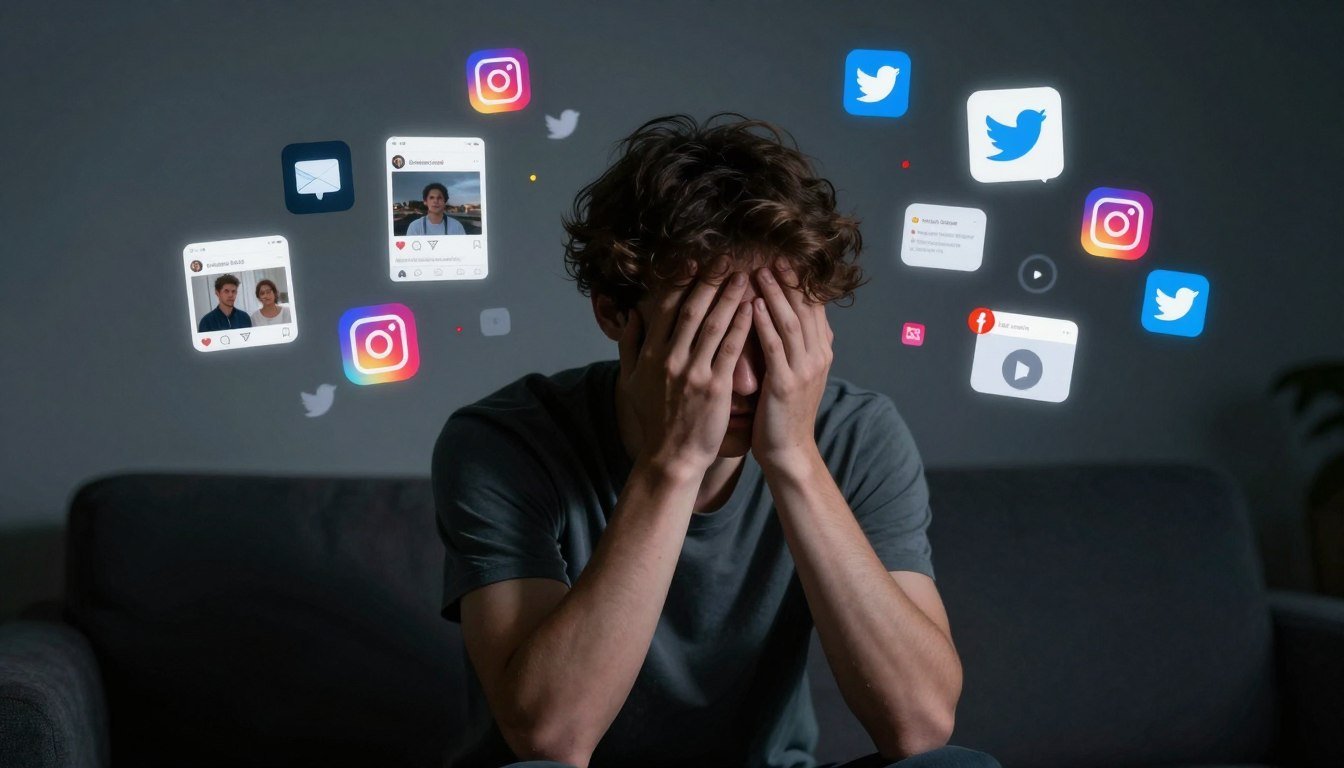
Could the rush of updates meant to keep you connected actually be hurting your mood? A 2023 advisory from Vivek Murthy raised concerns about how digital platforms affect daily well-being. This guide explores social media mental health effects and why they matter more than ever today.
Social media platforms have become major sources of information, connection, and support for millions of people. While they help you stay in touch, the constant stream of content can influence your emotions, sometimes leading to stress, comparison, or even feelings of isolation.
Research shows that frequent use can impact brain responses and reshape daily habits. By understanding social media mental health effects, you can better recognize warning signs and take meaningful steps to regain control of your time and emotional well-being online.
Key Takeaways
- Digital platforms shape emotions and daily routines for many people.
- Frequent use can lead to mood shifts and feelings of isolation.
- Official guidance now highlights the growing concern in the U.S.
- Recognizing patterns helps you manage your time and reactions.
- This guide offers practical steps to balance connection and well‑being.
Understanding the Social Media Mental Health Effects
Daily browsing can quietly reshape how you feel. The average user now spends about 2 hours and 23 minutes per day on platforms. For teens, the 2023 Surgeon General advisory warned that more than three hours daily can double the risk of poor outcomes.
Research links heavy platform use with higher rates of depression and anxiety in young people. HelpGuide.org highlights common problems: social isolation, disrupted sleep, and worsening symptoms of depression.
When you use platforms to escape boredom, you may start a cycle of short distractions that increase long‑term dissatisfaction. Technology can mask underlying problems, making symptoms harder to spot.
Simple limits help. Reducing daily hours and choosing mindful use can lower risk and ease mental health concerns for many people.
- Average daily use: 2 hours 23 minutes
- Teens >3 hours/day: doubled risk (2023 advisory)
- Common outcomes: isolation, sleep loss, worse depression
The Psychological Mechanisms Behind Digital Fatigue
Tiny hits of approval in apps train your brain to chase quick rewards. That learning creates powerful loops that drive repeated platform use. Understanding those loops helps you take back time and focus.
The Role of Dopamine Loops
Receiving a like or share triggers a dopamine surge similar to winning on a slot machine. This reward chemical reinforces checking behavior and builds a craving to repeat the action.
“Those quick rewards make returning to platforms feel automatic.”
The role of dopamine loops explains why some people feel compelled to open apps without thinking. Over time, this pattern can worsen anxiety and raise the risk of depression for vulnerable users.
The Impact of Constant Notifications
Frequent alerts fracture attention and shorten deep focus. The brain shifts to brief, reactive states and loses time spent on meaningful offline tasks.
- Notifications disrupt sleep and daily routines.
- Research finds alerts reduce concentration and increase stress.
- Design choices in technology keep people scrolling longer.
By spotting these mechanisms, you can set limits, mute alerts, and reclaim hours per day. Small steps protect your well‑being and reduce compulsive use.
Identifying Signs That Your Online Habits Are Becoming Unhealthy
When scrolling begins to replace real-life interaction, that shift is worth noticing. Small changes in routine can point to bigger problems if left unchecked.
Recognizing Behavioral Red Flags
Neglecting face-to-face relationships is a major sign. If you spend more time on social media than with friends in person, isolation and depression can follow.
Another red flag is constant distraction at work or school. If online content interrupts tasks, your productivity and well‑being suffer.

Worrying about your online reputation or facing cyberbullying should prompt immediate action. These issues increase anxiety and raise your overall risk.
- No time for self‑reflection because every spare moment is filled with scrolling.
- Engaging in risky behavior to chase likes or shares.
- Sleep disruption or persistent mood swings are tied to platform use.
“Recognizing these behavioral red flags is the first step toward reclaiming your time.”
Start by tracking time and choosing moments to disconnect. Spotting symptoms early helps protect your health and restore balance with others offline.
Specific Risks for Adolescents and Young Adults
Adolescents face unique risks online because their brains and peer ties are still forming. Teens are more sensitive to judgment and comparison, so frequent social media use can hit them harder than adults.
Nearly 60% of U.S. teens report experiencing cyberbullying, and research shows 46% of teenage girls say platforms make them feel worse about their bodies. The 2023 Surgeon General advisory warns that excessive hours on digital platforms raise health concerns for children and teens.
Parents and families can act to reduce risk. Monitor data and enforce regular breaks so family time remains a priority. Teach your child that curated content is not an accurate picture of real life to lower the chance of body image problems.

- Adolescents are developmentally sensitive to peer pressure and comparison.
- Limiting hours of use reduces anxiety and symptoms of depression in many teens.
- Active parental guidance—rules and open talks—helps children cope with online problems.
“Start small: short daily limits and shared offline activities build healthier habits.”
The Surprising Benefits of Mindful Digital Engagement
When you choose how and why you log on, these tools often become ways to connect, create, and cope. Mindful digital engagement means using platforms with a purpose, not just passing time.
Building Peer Support Networks
Peer groups online can reduce loneliness by linking you with others who understand a struggle. Carefully chosen groups offer advice, empathy, and coping tips in real time.
Use trusted communities to ask questions and share progress. That direct support can ease anxiety and help prevent deeper problems like depression.
Facilitating Creative Expression
Sharing work and hobbies lets you find people who value your talents. Posting photos, writing, or short videos can spark collaboration and boost confidence.
- Curate your feed to follow creators who inspire.
- Engage actively to build ties rather than scroll passively.
- Use these tools to stay in touch with distant family and friends.
“Intentional use turns platforms into sources of belonging and purpose.”
Practical Strategies to Reclaim Your Well-being
Choosing purpose before opening an app is one of the easiest ways to protect your mood. Use clear steps to regain control of your time and focus each day.
Setting Intentional Time Limits
Try a 30-minute daily target. A 2018 University of Pennsylvania study found that limiting use to 30 minutes cut anxiety, depression, and loneliness for many people.
Set alarms, schedule two short check-ins, or use built-in screen-time tools to stick to that goal.
Curating Your Digital Environment
Unfollow accounts that spark comparison. Mute notifications to stop constant interruptions.
If harmful content or cyberbullying appears, removing apps for a few days can give the distance you need to heal.
Prioritizing Face-to-Face Connections
Replace scrolling with real-world activities you enjoy: walks, hobbies, or meals with family and friends.
“Prioritizing in-person time rebuilds focus and reduces feelings of isolation.”
- Disable nonessential alerts to recover uninterrupted time.
- Swap device checks for exercise to improve sleep and mood.
- Seek trusted support when symptoms of anxiety or depression appear.
Conclusion
,
Small pauses from platforms can lead to clearer thinking and deeper bonds.
While social media use can offer real benefits, stay aware of potential risks to mental health. Use practical steps from this guide to limit time, mute triggers, and choose content that lifts you up.
Make short breaks part of your routine. Intentional use reduces anxiety and lowers the chance of depression tied to heavy media use.
Remember: your well‑being matters more than online approval. Prioritize face‑to‑face moments and curate a digital space that supports growth rather than fuels stress.